


Search behaviors are evolving. Discovery doesn’t begin and end on traditional search engines. Decision-makers are increasingly asking AI platforms for recommendations, comparisons, and validation before visiting a website.
When someone asks an AI assistant for the best manufacturer, reliable supplier, or trusted solution provider, the brands that appear in those answers gain instant authority. Those that don’t appear are simply left out of the conversation.
Recognizing this shift early, Pixel Studios implemented a structured Generative Engine Optimization (GEO) framework across its own digital presence and key client domains, helping them transition from being searchable to being recommended.
Table of Contents
Traditional SEO ensures brands rank on search engines.
GEO ensures brands are understood, trusted, and cited by AI systems.
Without structured GEO signals, brands risked losing relevance in AI-mediated research workflows.
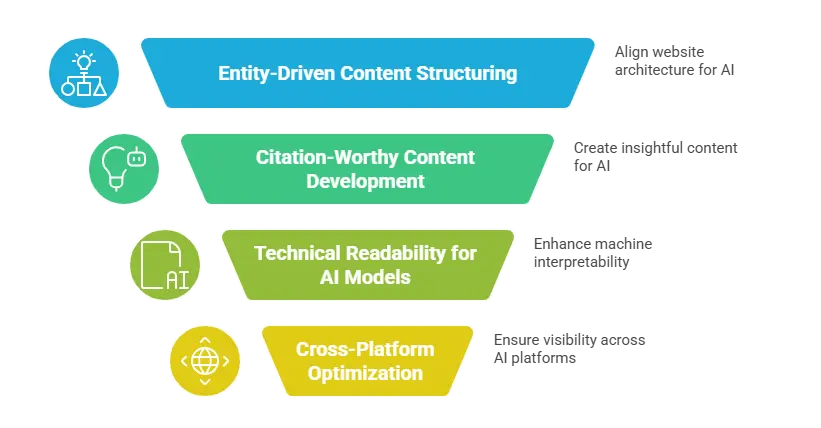
Pixel Studios developed a multi-layered GEO strategy designed not just for rankings, but for AI comprehension and citation eligibility.
This helps AI engines confidently associate queries with the right brand.
Each AI platform evaluates signals differently.
By applying GEO to our own domain, we transformed our discoverability model.
This validated the scalability of the GEO framework before extending it to clients.
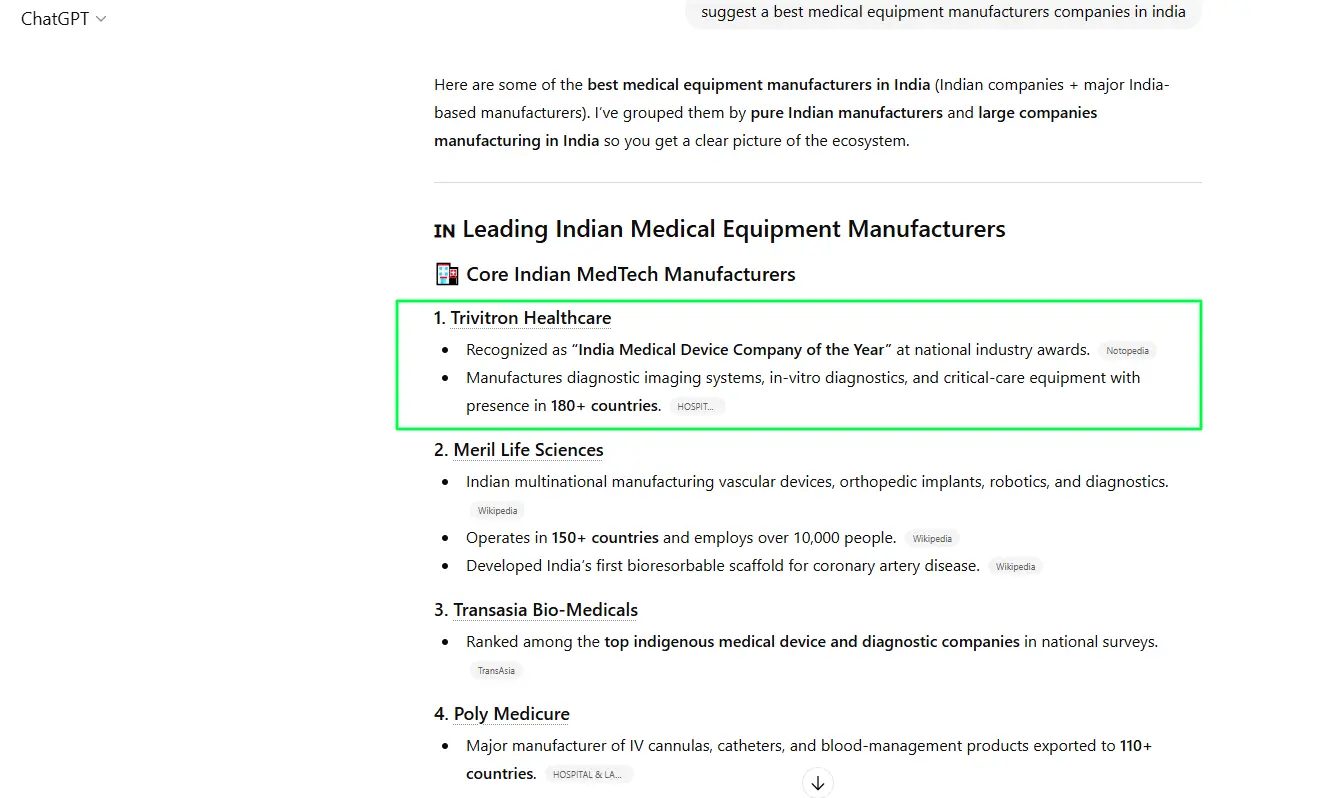
Operating in a complex B2B healthcare manufacturing space, the objective was to ensure the brand surfaced during AI-led product research conversations.
This positioned the company as a referenceable authority in equipment-related queries.
Starting from minimal AI presence, this brand required foundational entity-building and authority structuring.
This demonstrated how GEO can unlock entirely new discovery channels for emerging digital entities.
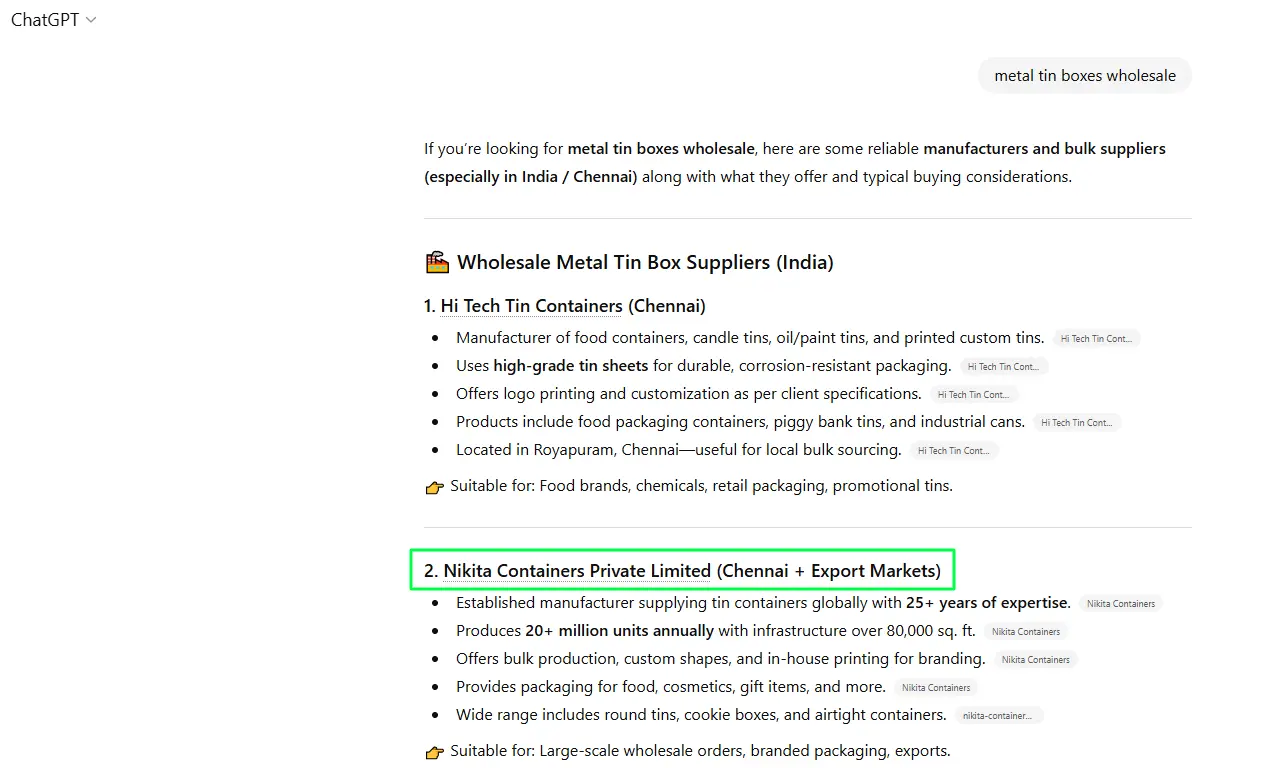
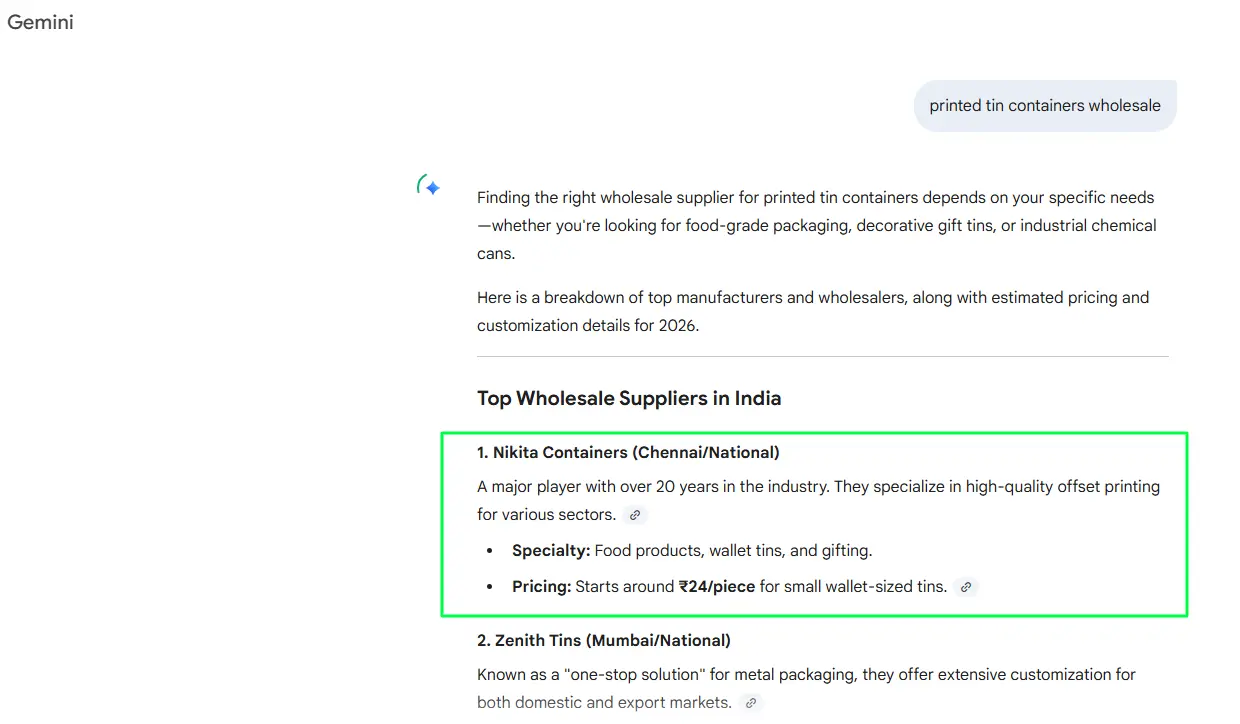
In a highly competitive sector, differentiation required positioning the brand as a credible informational source rather than just a product supplier.
This strengthened brand recall during AI-led product exploration journeys.
Traditional SEO answers: Can users find you?
GEO answers: Will AI recommend you?
As AI assistants increasingly shape how professionals research vendors, evaluate expertise, and shortlist partners, visibility inside AI-generated answers becomes a decisive competitive advantage.
Organizations that invest now are not just optimizing for search.
They are shaping how they are represented in the next generation of digital discovery.
Generative Engine Optimization represents a structural shift in how brands are discovered, evaluated, and trusted online.
By implementing GEO across multiple industries, Pixel Studios helped organizations transition from being merely searchable to becoming AI-recognized authorities — driving measurable growth in mentions, citations, and AI-assisted traffic.
The future of visibility will not belong to the most indexed brands.
It will belong to the most understood.
How useful was this post?
Click on a star to rate it!
Average rating 4.6 / 5. Vote count: 9
No votes so far! Be the first to rate this post.